
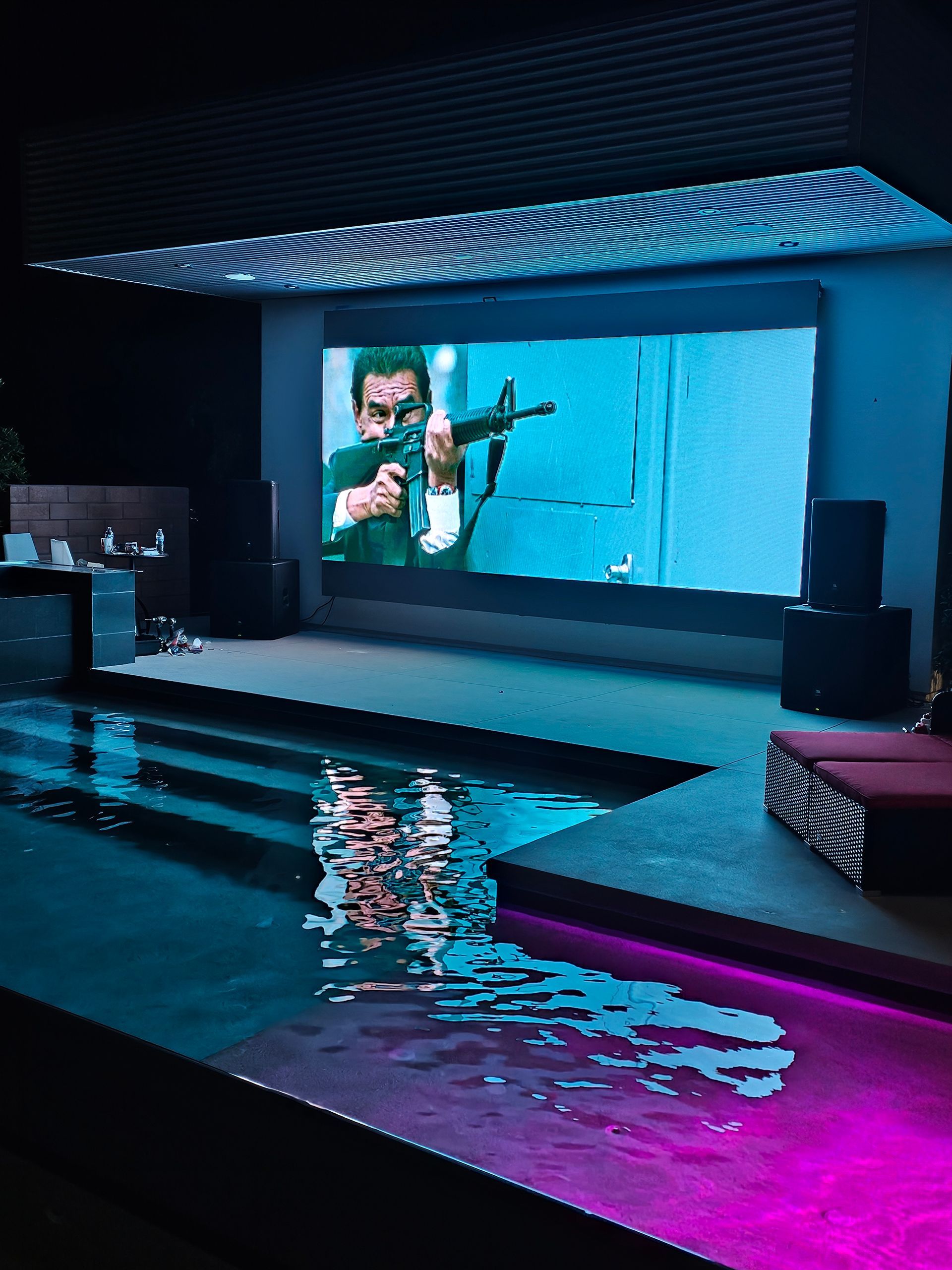
High-Impact Visuals for Any Environment
Installation of LED walls and large-format displays for commercial and residential spaces in Charlotte, North Carolina.
When you need to make a visual statement in a large space, standard displays often fall short. LED walls and large-format displays are designed for impact, offering brightness, resolution, and scale that work in environments with high ambient light or long viewing distances. In Charlotte, these systems are used in corporate lobbies, event venues, high-end home theaters, and retail locations where content needs to be visible and engaging from across the room. Choosing the right system requires understanding resolution, brightness, and viewing distance requirements.
Techliterati installs LED walls and oversized displays for offices, venues, entertainment spaces, and residential applications. The process includes guidance on resolution, brightness, and viewing distance to ensure the display performs as intended. Secure mounting and professional cable management keep the installation clean and safe, and systems are configured for presentations, video, and digital signage. Each installation is designed for durability and consistent performance, with attention to how the display will be used over time.
If you are considering a large-format display for your space in Charlotte, reach out to discuss sizing, placement, and installation options.
How These Systems Are Installed and Configured
Installation begins with an assessment of the space, including ceiling height, wall structure, and ambient lighting conditions. In Charlotte, commercial spaces with tall ceilings or glass walls require displays that can handle glare and remain visible from a distance. You are shown mounting options, cable routing paths, and how the display will integrate with existing AV or control systems before work begins.
Once installed, you will notice the display is visible from all key viewing angles without image degradation, and brightness remains consistent across the entire screen. Systems are configured to accept input from multiple sources, such as laptops, media players, or streaming devices, and can be controlled using touch panels or network interfaces. Wiring is concealed to maintain a polished appearance, and mounting hardware is engineered to support the weight and dimensions of the display safely.
LED walls are modular, which means panels can be replaced individually if damage occurs, and the system can be expanded or reconfigured as needs change. You receive documentation that outlines how the system is connected and controlled, which simplifies future maintenance and upgrades. The installation is built to handle daily use in demanding environments without requiring constant adjustment.
What People Ask About Large-Format Displays
Clients in Charlotte often want to know how resolution is determined, what mounting options are available, and how these systems compare to traditional displays. These questions help clarify what to expect from the installation.
If you need a high-impact visual solution for your space in Charlotte, Techliterati can assess the environment, recommend the right display technology, and handle the installation from start to finish. Learn more by contacting us to schedule a consultation and review your options.